20 New Tips For Choosing Floor Installation
Wiki Article
How Much Will Floor Installation Cost In Philadelphia?
The costs of flooring in Philadelphia are among those areas where you'll see wildly different figures depending on where you look. And almost everything that's online is either average national data that doesn't take into account local labor costs or is vague enough to be useless for those trying to price a job. The Philadelphia metropolitan area has its own price dynamics: union-adjacent labor markets, an outdated housing stock that often produces subfloor surprises as well as a wide disparity between affordable flooring contractors and licensed contractors with insurance. This is a basic breakdown of what the installation cost is across the city and surrounding counties today.
1. LVP Installation Is Your Most Affordable Starting Point
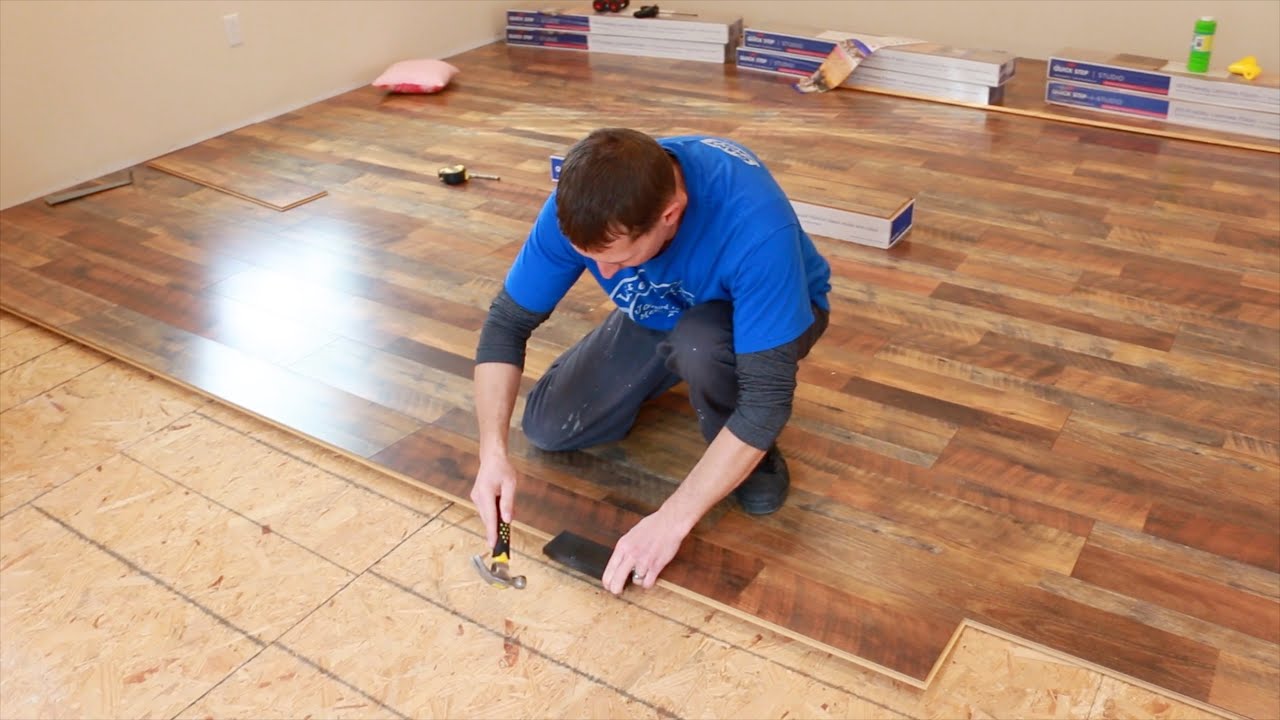
Luxury vinyl plank is always one of the lowest-cost options for installation in Philadelphia. Most LVP flooring installers have their prices at between $2.50 as well as $4.50 per square foot if labor is included and the mid-range LVP materials adding an additional $2 to $5 cost per square meter. In all, a typical room can cost $4.50 to $9 per square foot installed. It's fast to lay, requires only minimal preparation for the subfloor in most cases, and floating method is able to cut down on labor considerably compared with nail-down or glue-down options.
2. Hardwood Installation Costs More -and for a reason!
Solid hardwood flooring in Philadelphia typically runs $6 to $14 per square foot for labor, depending upon the installation method employed as well as the company. Nail-down hardwood can be considered to be at the top of the spectrum because it requires more precision, an appropriate subfloor depth and more time for installation. The glue-down of hardwood on concrete slabs includes additional material costs for adhesive. The actual wood can vary wildly the cheapest hardwoods begin at around $3/square foot however premium species such white oak or hickory could go up to $15-$14 per square foot before a nail is put in.
3. Refinishing of Hardwood Is Less Expensive Than Replacement The majority of the time.
If your hardwood floors are structurally sound floors, floor sanding or refinishing in Philadelphia typically costs $3 to 6 dollars per sq ft -considerably less than ripping off the flooring and finding a new one. Refinishing with custom hardwood staining will cost more, but it's still lower than a new installation. The caveat: floors that have been refinished numerous times, have significant water damage, or are too thin for a second pass aren't always acceptable candidates. An accurate assessment by an authorized flooring contractor will determine which side of this line you're in.
4. Tile Installation Can Result in a Higher cost of labor
Porcelain and ceramic tile installation is among the most labor intensive flooring categories. Philadelphia flooring contractors generally charge between $7 and $14 per square foot for tile installation labor and the porcelain tile is on the higher end because of the difficulty of cutting. The large format tiles and diagonal designs, as well as bathroom tile installations with borders or niches drive costs further. The costs for the tiles range from $1.50 for a square foot for the basic ceramic as high as $15 for premium quality porcelain. If you've heard of a price that's suspiciously low for tiles and you're not sure what's included, ask for specifics.
5. Laminate Installation Is Between LVP and Hardwood
Laminate flooring in Philadelphia generally falls between $3 to $6 per square meter of floor as materials, which are included at upper end of the range. This is a floating floor that's similar to LVP thus the costs for labor are the same, but laminate is not as tolerant on rough subfloors, and is more prone to moisture. This impacts where it could fit in the Philadelphia home. Installation quotes for flooring that are low-cost usually have laminate flooring, and it's not always the best choice dependent on the space.
6. Subfloor Repair Is a Wildcard that can get homeowners off guard
This is the line item that will blow budgets the majority of the time. Subfloor repair in Philadelphia (repairing the rot, leveling or replacing pieces of a board subfloor -- could cost 1 to 3 dollars per square foot on top of your flooring costs, but sometimes more. Older homes in Kensington, Germantown, West Philly and the surrounding areas are especially susceptible to this. Flooring estimates that don't include a floor assessment prior offering you a final price should be treated with caution.
7. The Location of the Metro Impacts the Quote
Flooring installation costs within Bucks County, Montgomery County, Delaware County, and South Jersey aren't dramatically different from Philadelphia for the most part, however there are differences. Suburban contractors may have lower expenses, and city jobs often require access or parking. If you're looking at quotes from multiple counties, be sure it's comparing like-forlike on what's included. For instance, materials such as subfloor preparation as well as furniture moving and haul-away are dealt with differently by different contractors.
8. Getting Multiple Free Flooring Estimates Is Non-Negotiable
The most reliable flooring contractors in Philadelphia offer no-cost estimates. You should get at least three estimates prior to committing to anything. The gap between a low and most expensive quote for the same task is usually 30-40 percent, even the cheapest quotation is not always the best choice not even price the most expensive necessarily the most effective. What you're looking at is whether the contractor is actually looking at your subfloor's scope of work, and negotiated appropriately.
9. Engineered Hardwood is a Good middle price point
Engineered hardwood flooring in Philadelphia typically costs $5 to $9 for each square foot -- less than solid wood, more than LVP. It also has properties that make it the best choice for variety of circumstances. It's a good idea to ask every flooring company you get in touch with about including some engineered options on their price if you're split between vinyl and solid wood plank.
10. The lowest-priced offer rarely has Connection with the Actual Job
Experienced Philadelphia homeowners will reveal this from personal experience. A quote that appears significantly below market is usually a sign that something is not included -- subfloor work transitions, baseboards or proper material acclimation. Flooring contractors with a license incorporate these things into estimates because they are aware of the job requires them. Budget operators who are not licensed make them available to win the bid, and then show their add-ons later once the work has started. Be sure to have everything in writing prior to anyone tearing down your existing floor. Read the recommended
affordable flooring installation Philadelphia for more advice including luxury vinyl plank installation Philadelphia, licensed flooring installers Philadelphia, subfloor repair Philadelphia, engineered hardwood installation Philadelphia, flooring contractors Bucks County, hardwood flooring Philadelphia, kitchen tile flooring Philadelphia, nail down hardwood flooring Philadelphia, hardwood floor refinishing cost Philadelphia, hardwood floor resurfacing Philadelphia and more.

Hardwood Refinishing Vs. Replacement: What's The Difference?
Floors made from hardwood in Philadelphia homes bear a rich history within them -- original hardwood flooring made of oak in the form of a Germantown twin large pine planks in a Chestnut Hill colonial house, and decades-old hardwood flooring in the Delaware County ranch that's seen three families. When the floors start to look rough, the instinct is frequently and often to change them. But replacement isn't always the right call, and refinishing doesn't necessarily mean that it's the least expensive option however it appears so at first glance. The decision between sanding and renovating the existing hardwood versus pulling out and re-laying it depends on a variety of factors that be apparent when someone who is aware of what they are looking at actually walks through the flooring. The following steps will help you think through the decision before committing to either route.
1. The thickness of the floor is the main Thing That Determines Your Options
Solid hardwood is able to be sanded, and finished multiple times throughout the course of its life, but not infinitely. Every refinishing step removes a small amount of wood and when the floor has been removed from the tongue-andgroove fastening device beneath there is no way to sand it again without risk. Most solid wood starts at 3/4 inches thick, with about 1/4 inch of the material above the tongue available for sanding. A flooring professional can assess the remaining thickness using measuring instruments in a discreet location -- the reading greater than all others determines the extent to which refinishing is currently being considered.
2. Engineered Hardwood has a narrower refinishing Window
Engineered hardwood installation has grown significantly across Philadelphia, Bucks County, and Montgomery County homes over the recent two decades. Moreover, the majority of homeowners do not realize that the floors are engineered until refinishing is required. The actual wood veneer layer of engineered wood is less than solid - anywhere from 1mm to 6mm based on the kind of product which restricts the number of times you can sand it. The engineered wood with thin veneers may only support one careful refinishing process, or perhaps none whatsoever. Knowing the type of wood you have before assuming refinishing is viable saves an estimate time.
3. Refinishing costs significantly less than Replacement in most cases.
Floor sanding and refinishing in Philadelphia typically costs $3 to 6 dollars per sq ft. Flooring replacement for hardwood in full -- removal of existing flooring, assessing subfloors, new flooring, and installation -- can run $10 to $20 per square foot, or higher depending on the flooring species and the process. For a 500 square foot space, that's a difference of a $1500 to $3000 project and a $5,000 to $10,000 one. If the floor in question has enough thickness and has no structural issues, refinishing will provide some of the aesthetic impact of new floors at costs that are a fraction.
4. Surface Damage By itself Is never a reason to replace
Scratches, scuffs, dullness minor staining, surface-level discoloration is exactly the things floor sanding is designed to address. The appearance of these conditions is worse that they really are. Sanding properly removes the damaged surface completely and returns the floor to the wood that was bare, at time when custom staining or finishing make it look like new. Philadelphia homeowners who decide to replace floors because of surface damage would have been able to fix by making an expensive decision based upon aesthetics and not structural actuality.
5. Structural Damage Impacts the Calculation Totally
Warping, cups, major damaged by water that has reached below the surface and rot has occurred at the board level, or floors that have many missing or loose sections have different causes than flooring wear. Refinishing can address surface problems -but it can't fix an area that has moved structurally due to moisture and neither can it fix flooring where the subfloor beneath has failed. When structural damage is present an honest evaluation from an experienced flooring contractor could be that replacement is the only route to flooring that works correctly rather than just look better temporarily.
6. Previous Refinishing History can influence the current decision
A floor made of hardwood that has been refinished three or more times during its lifetime could have tiny material left over the tongue no matter what thickness it started at. Conversely, original hardwood in the interior of a Philadelphia property that has not been finished -- which is more prevalent than many people imagine in older homes could have a substantial amount of thickness left even if it looks rough. The appearance of the floor is not a reliable indicator of its future refinishing capabilities. A physical measurement and, sometimes by pulling the vents of a floor to see a cross-sectional area is what professionals use to decide the remaining floor.
7. Custom Staining During Refinishing Can Redesign a Floor's Character
Refinishing's unappreciated benefit is the possibility to alter the floor's color completely. Custom staining of hardwood in Philadelphia is a component of the restoration process. Once the floor has been sanded to its original hardwood, a stain can be applied prior to the finish coats go down. People who live on the orange-toned wood of the 1990s for a while are often shocked to discover that their boards could change to a cool grey or a rich walnut or a warm natural depending on the species of wood and the stain you choose. There is no need to replace them in order to change the style dramatically.
8. Affixing new Hardwood to floors that are already in place is Harder than it sounds
One circumstance that forces homeowners to full replacement is when there is a single area that has to be addressed -- a water-damaged section, an expansion, or an area that was carpeted previously. Making new hardwood match the existing hardwood that is older in the remainder of the house is very difficult. Wood species, cuts grains, grain patterns, as well as years of patina won't reproduce precisely when paired with a brand new piece of wood. Flooring contractors in Delaware County and South Jersey that are honest will advise you that a complete redo of all the flooring after patching is usually the only option to maintain visual consistency.
9. Replacement Opens the Door towards upgrading the material completely
Sometimes the right answer is to change the flooring, not due to the fact that refinishing cannot be done but rather because the floor doesn't have the value of preserving. Low-quality softwood that can scratch easily, floors with extensive subfloor issues that must be addressed regardless, or homes where the layout has changed and the existing floor isn't a good fit anymore this is an instance which allow replacement to be a true upgrade. Switching from worn softwood to white oak hardwood, and from damaged real hardwood to engineered more suited for your home's circumstances of moisture, is a different approach than replacing a flooring that can be refinished without need.
10. Check the Test Before You Decide, and Not after You've Decided
Refinish vs. replace decision must be taken after a professional has looked at the floor. Not before. The majority of the reputable flooring contractors located in Philadelphia provide free estimates including this type assessment: measurements of the thickness of the floor, identifying of structural as opposed to. surface issues, a moisture analysis and an detail of what each process involves in terms, timeline, and outcome. Homeowners who call asking only for a quote to replace their flooring will often have already talked out of the possibility of refinishing but haven't explored it fully. The consultation is free. If it does not prove to be necessary, is not. Follow the best Follow the best ceramic tile flooring Philadelphia for more info including tile flooring installation Philadelphia, tile flooring contractors Philadelphia PA, solid hardwood floor installation Philadelphia, ceramic tile flooring Philadelphia, bathroom tile installation Philadelphia, cheap flooring installation Philadelphia, flooring installers Philadelphia, solid hardwood floor installation Philadelphia, hardwood flooring Montgomery County, waterproof flooring installation Philadelphia and more.